
The Shape of Winter冬のかたち
There is no snow here.
February arrives without frost, without white rooftops, without the hush that follows a snowfall. In other parts of Japan, winter settles in layers — scarves, breath turning visible in the air, streets softened by snow.
On this island, winter takes another form.
The air is humid. The sky remains open. Sometimes the sun still warms your shoulders.
It used to feel slightly unfair — this absence of snow. As if something essential was missing. As if winter without white landscapes was somehow incomplete.
But now I see it differently.
Winter here does not announce itself with silence. It speaks through wind.
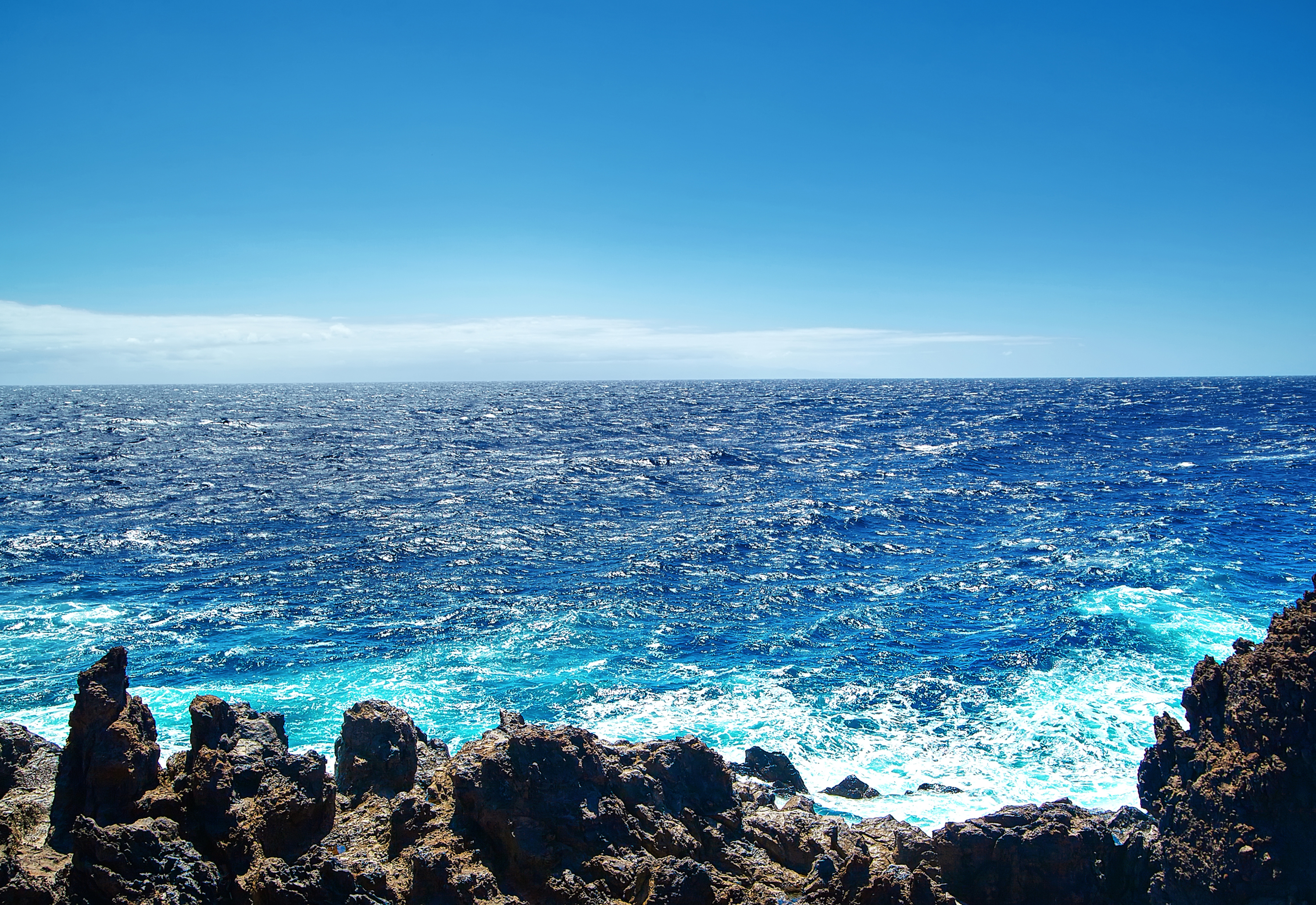
The wind moves differently in February. It presses harder against the body, bends the sugarcane fields, roughens the surface of the sea. The ocean darkens into deeper shades of blue, and the waves grow restless, striking the shore with a force that feels almost untamed.
I sometimes drive to the edge of the island just to watch it.
There, at the meeting point of land and water, the season becomes clear. The horizon feels wider. The wind carries salt and something older — something steady.
This is winter in Miyakojima.
Not snowmen. Not snowball fights. Not the quiet crunch of ice beneath your boots.
Instead:
Oysters that taste of cold seas. Strawberries at their sweetest. Citrus fruits bright against the softer air.
The beaches empty. The pace slows. The island exhales.
It is a brief winter. Almost shy.
It doesn’t linger long enough to demand endurance. It doesn’t bury the landscape in white. It simply shifts the tone of everything for a while — a deeper blue sky, a stronger wind, a quieter shoreline.
Perhaps that is enough.
Winter does not need to look the same everywhere to be real.
Here, it has the shape of wind.
And I am learning to recognize it.
— A