The Story中島大喜さんの物語
From One Sanshin Night to a Life in Miyakojima
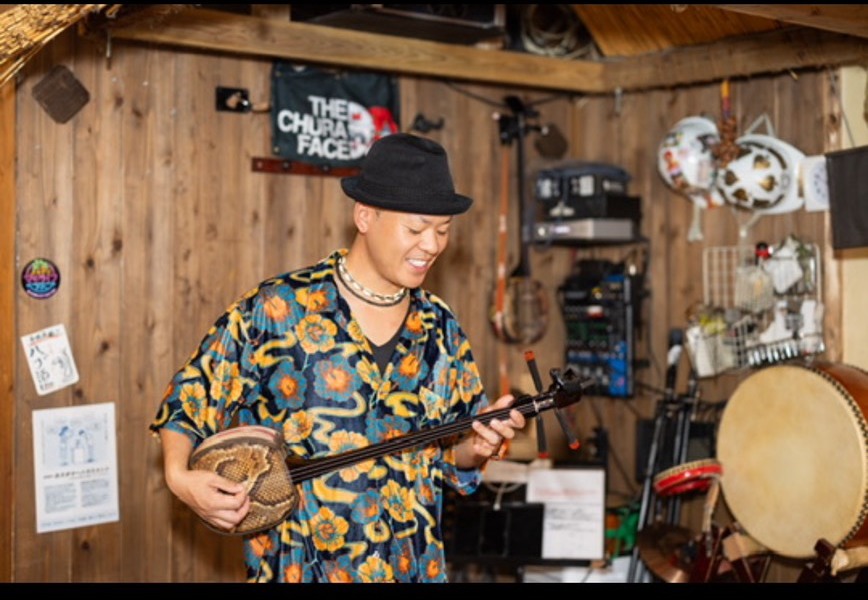
Daiki Nakashima is from Kitakyushu in Fukuoka. At eighteen, he moved to Tokyo and worked in fashion. When he left that job, a friend took him to an Okinawan izakaya in Shinjuku Kabukicho. There, he heard a sanshin live performance for the first time.
The joy of that night stayed with him. He remembers being moved by how fun the music felt, and by the feeling that he wanted to become someone who could make other people enjoy themselves too. At twenty-six, even though he had never been to Okinawa before, he decided to move there and learn the sanshin.
The island was chosen almost by chance. When he asked people which place they liked best, Miyakojima won by majority vote. But once he arrived, the warmth of the island began to make sense. For Nakashima, Miyakojima is special because it is warm in two ways: the climate, and the people. The connections he found here could only have happened here.
At first, he thought it would be enough to play the sanshin a little. He had never really played an instrument or sung before. But through people he met on the island, he was pulled deeper and deeper into music. He would visit minyo izakaya and ask to sing one song. At the cruise restaurant Mont Blanc, where he worked at the time, he was given chances to perform as an opening act. Those stages gave him experience.
The first time he stood on stage, he says he was beyond nervous. His whole body was shaking. He worked from morning to night, practiced whenever he could, faced criticism after performances, and kept going even when it was hard on his body and mind. Looking back, he feels that without those days, he would not be the person who can now sing in front of people.
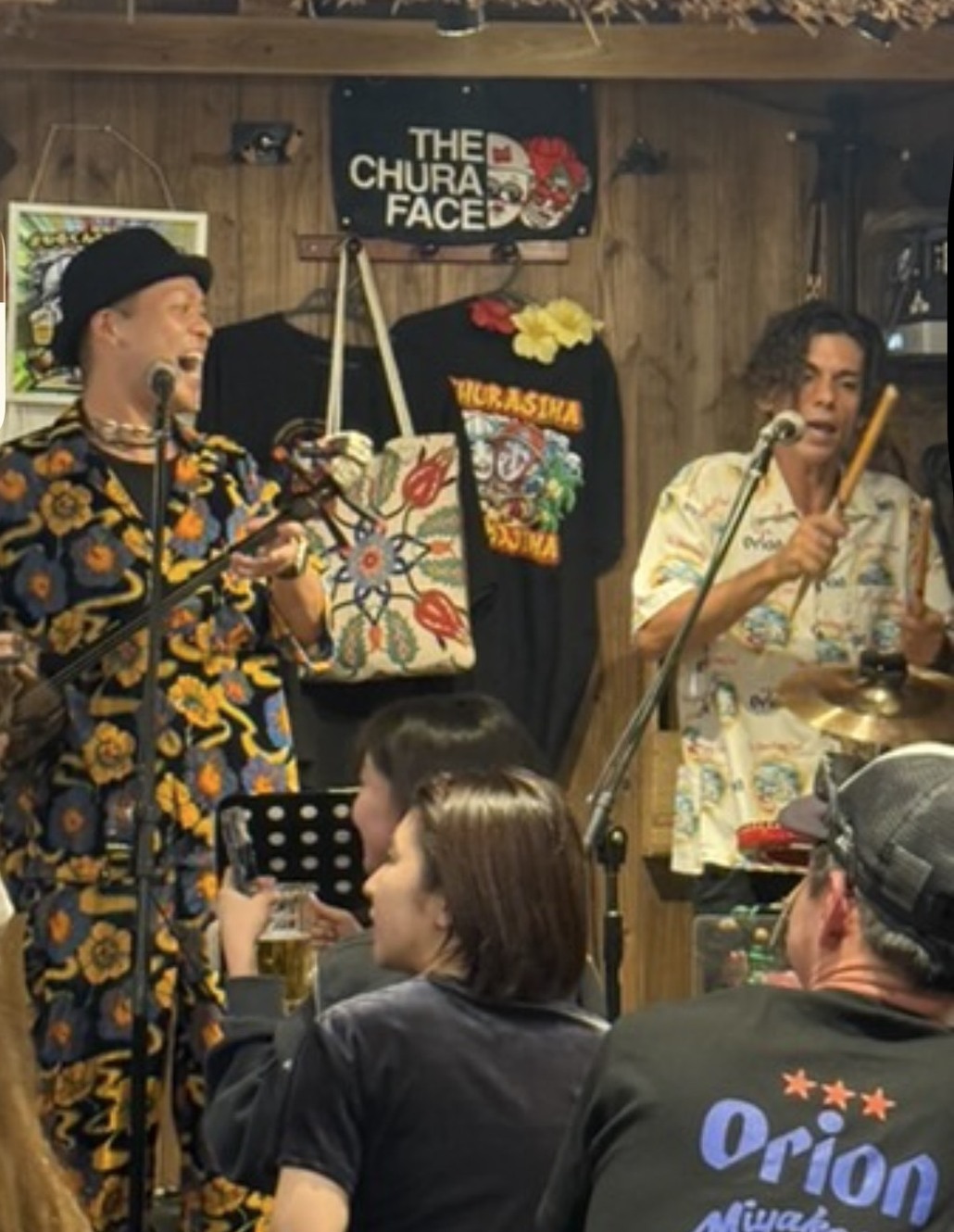
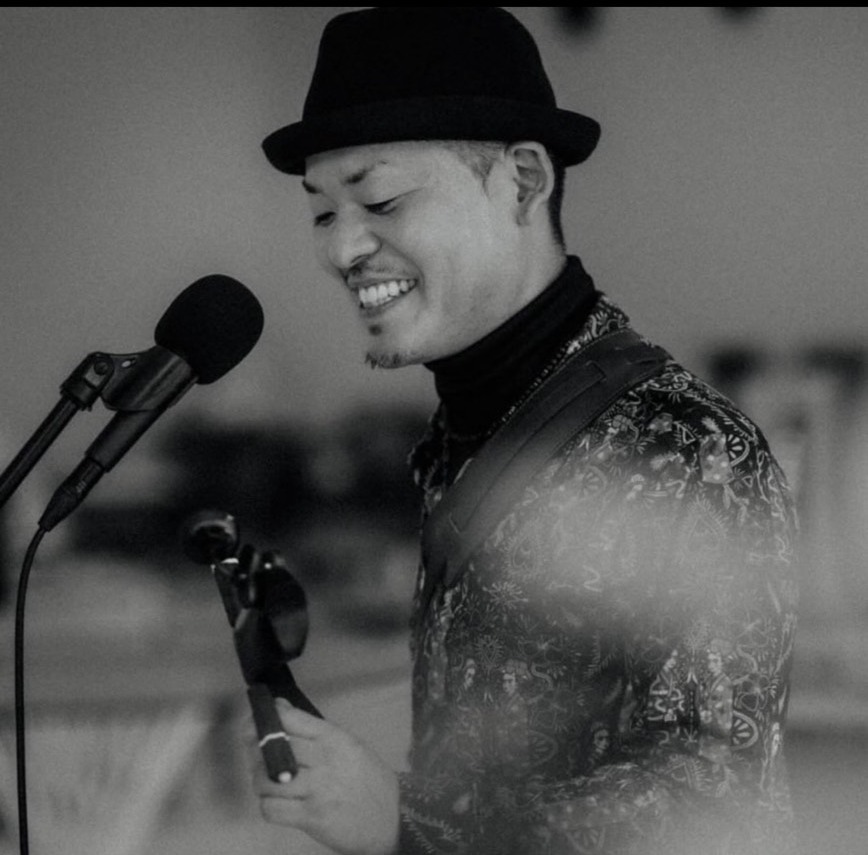
His minyo izakaya debut began when Chura Chura invited him to sing. He did not yet know many songs, but he remembers how happy he felt to be given a stage. Now, through song and sanshin, he hopes to add color to the precious time people spend in Miyakojima. Many visitors come after working hard, raising children, or carrying everyday life. Nakashima hopes even one more person can smile. For that, he says, there is his song, his sanshin, and himself.