The Story智子さんの物語
Choosing the Island, Then Choosing to Move
Tomoko-san studied early childhood education at university and graduated with qualifications connected to teaching, childcare, and caregiving. Before settling into one path, she chose to go overseas so she could meet different values and widen the way she saw the world. After returning to Japan twelve years ago, she worked in Yokohama and Tokyo with children with disabilities and children who need medical care.
Seven years ago, while feeling tired from city life, she found information online about a Miyakojima project that wanted to create a place where children with and without disabilities could spend time together while supporting families raising children. The work interested her deeply, and because life in Southeast Asia had once felt natural to her, she thought a southern island might suit her too. That thought became the beginning of her life in Miyakojima.
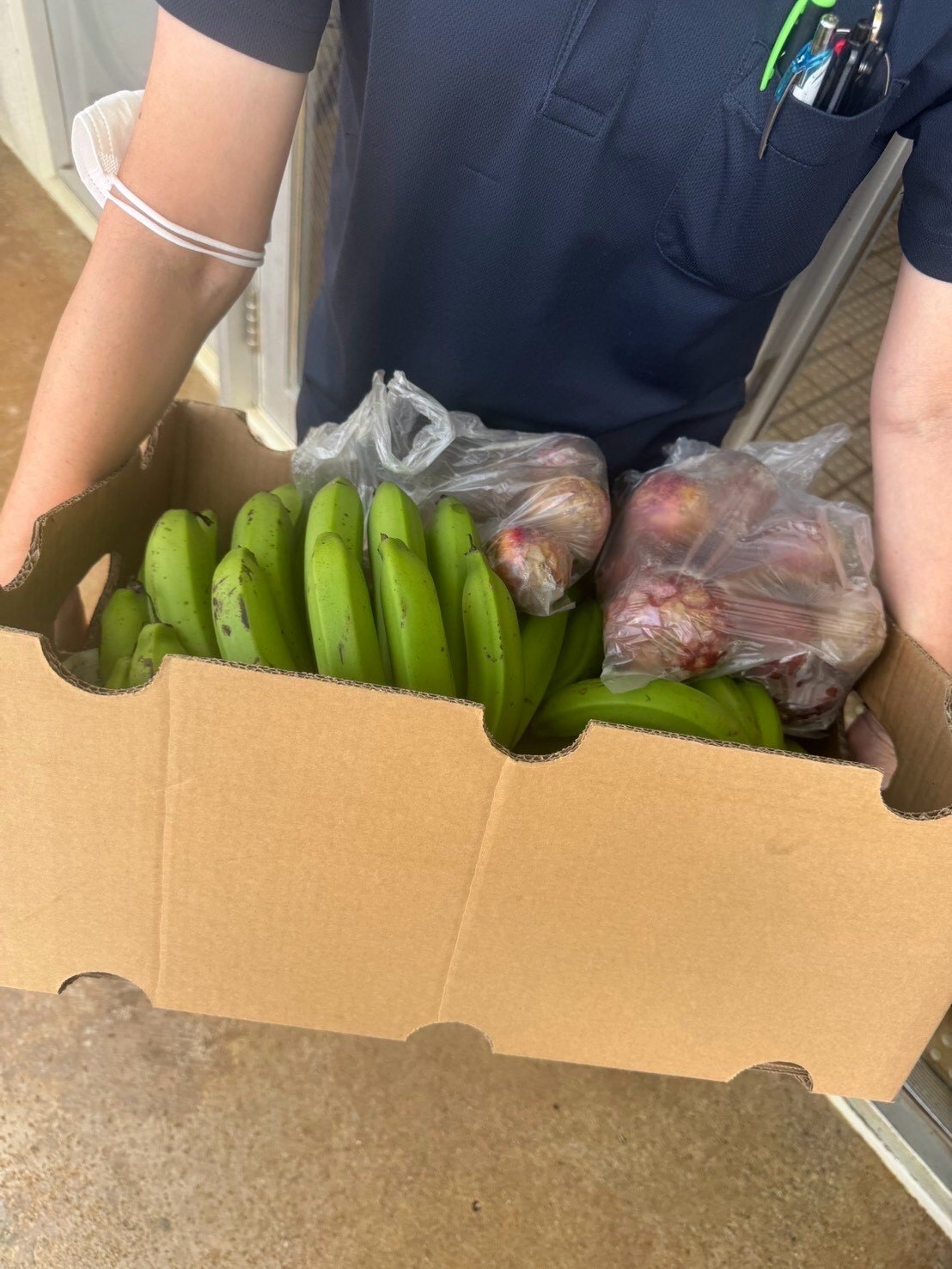
What she loves most here is the connection between people. One introduction can quietly become many, and even though she moved to the island alone, she found friends, neighbors, local exchanges, vegetables shared from someone’s garden, and a feeling of being part of daily life. She also loves the clean sea, the wide sky, and the freedom of being able to swim when the mood arrives.
Miyakojima changed the way she lives. Instead of waiting for her surroundings to make life enjoyable, she began to feel that the island becomes good when she chooses to move first. If she wants work and life here to be meaningful, she can take action, meet people, and make it interesting. That shift made her more active at work and in her private life, and even helped her become less shy.
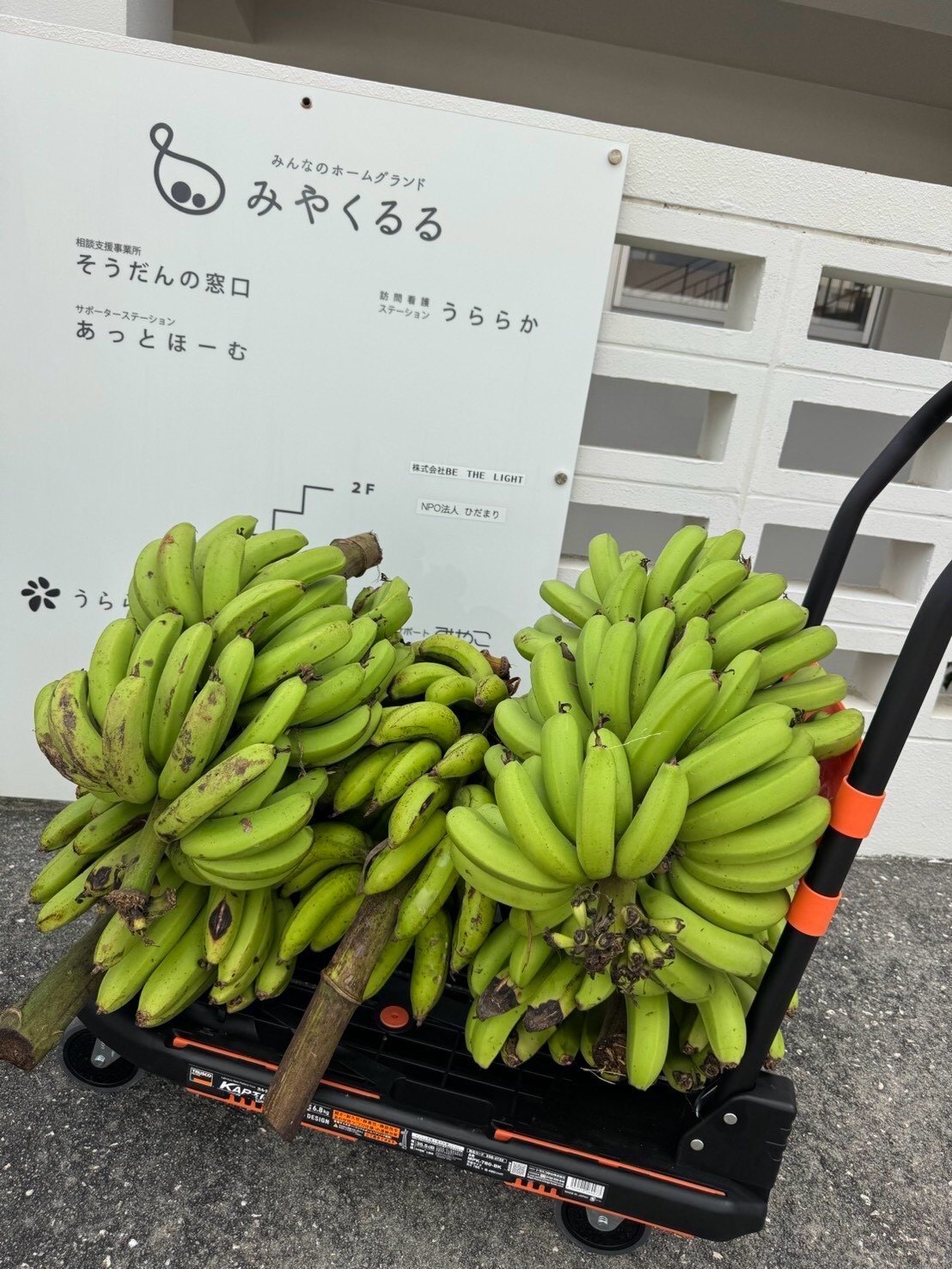
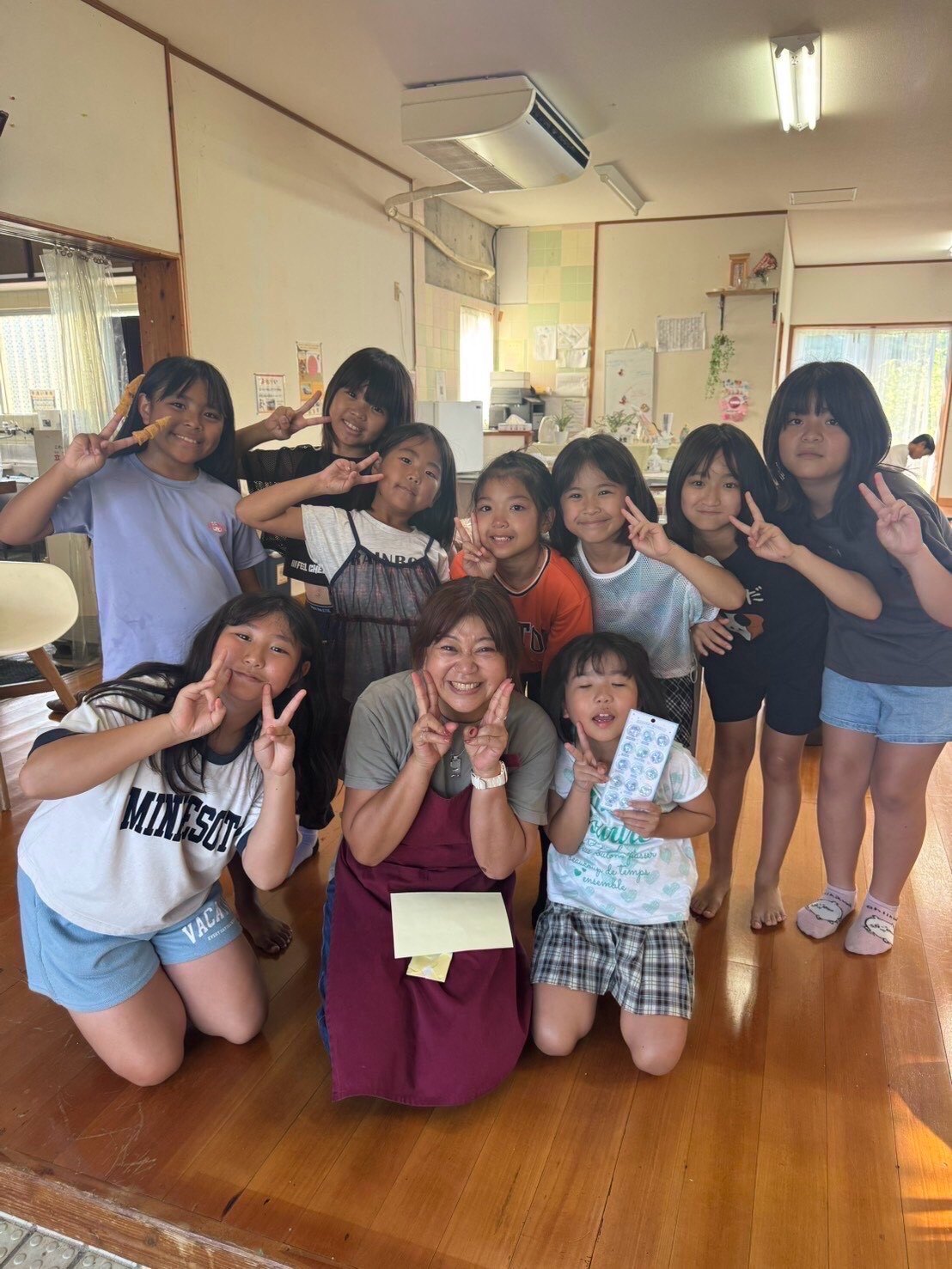
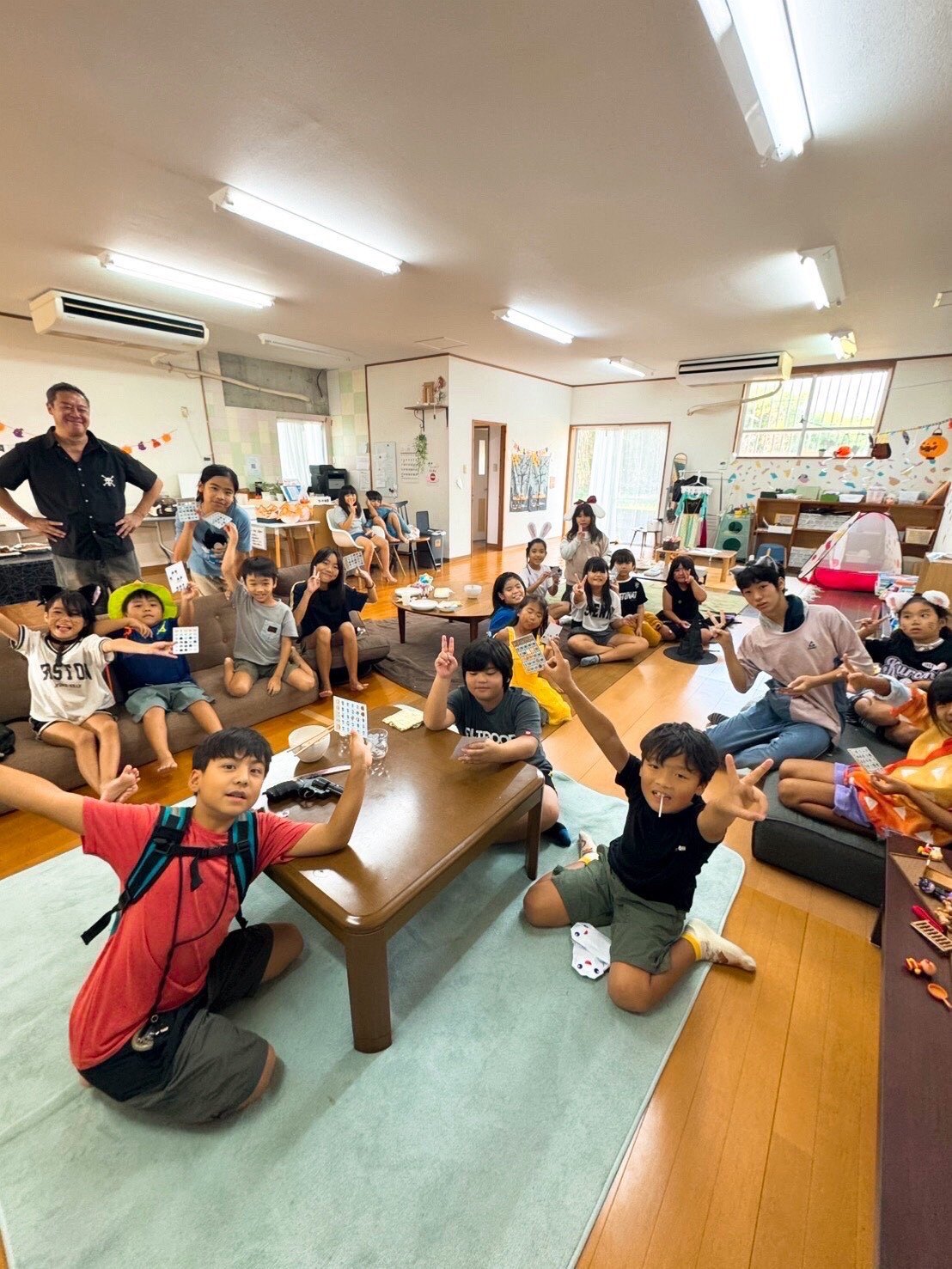
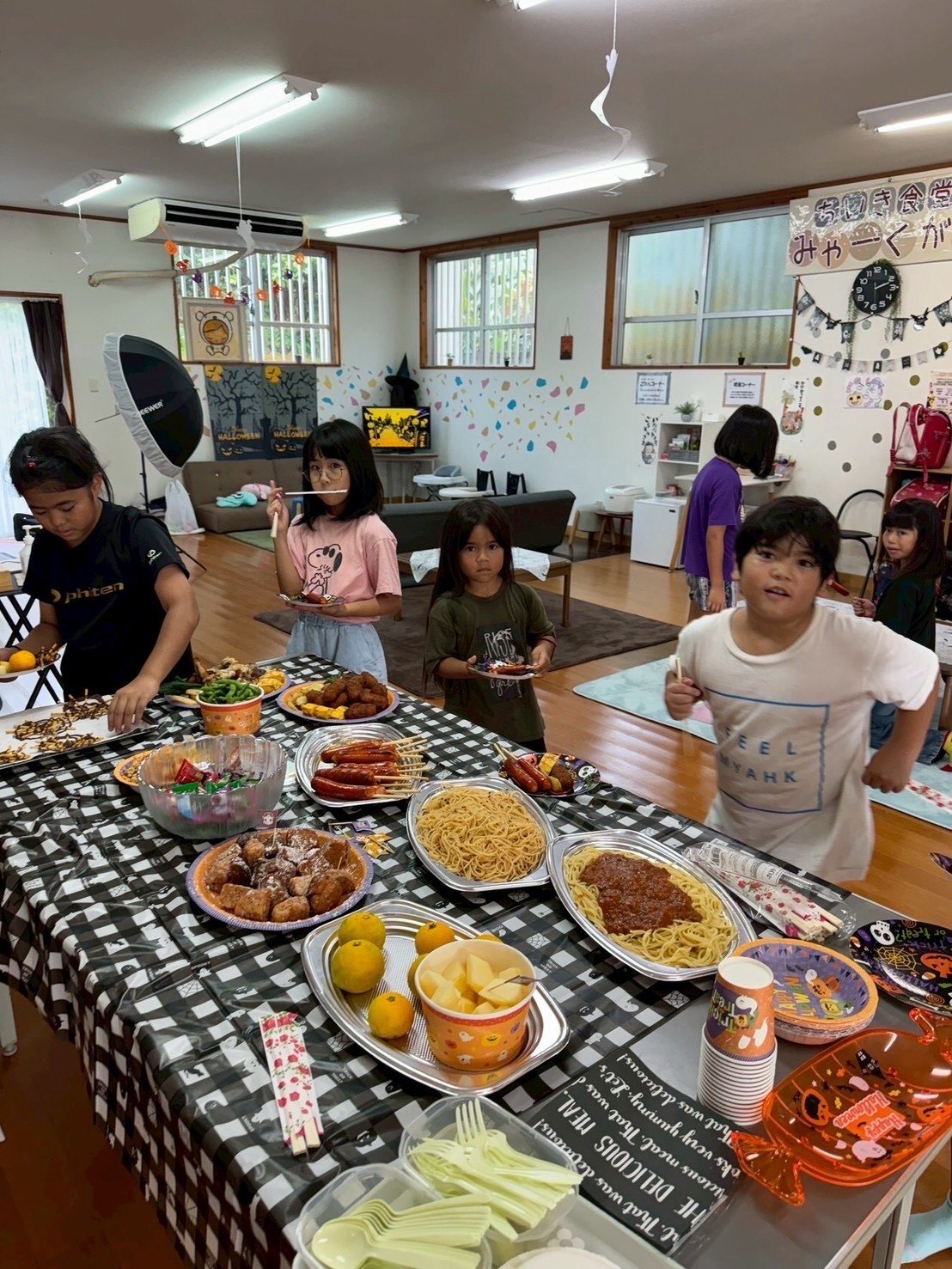
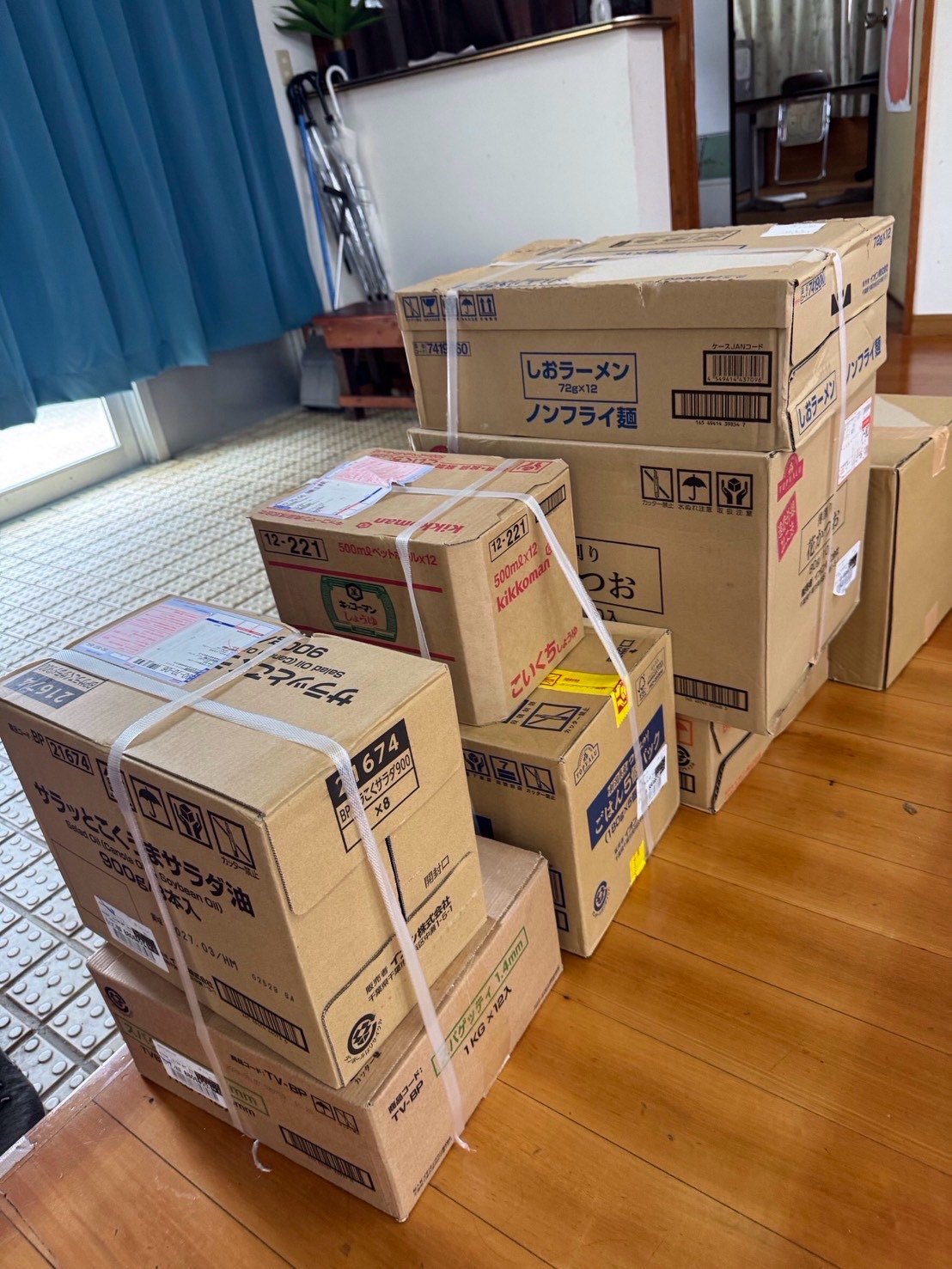
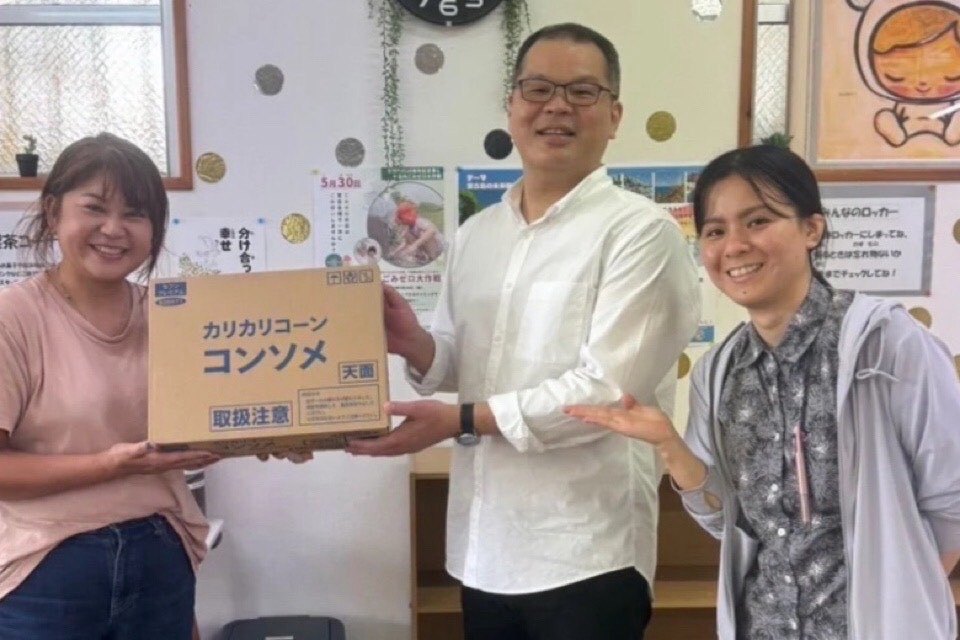
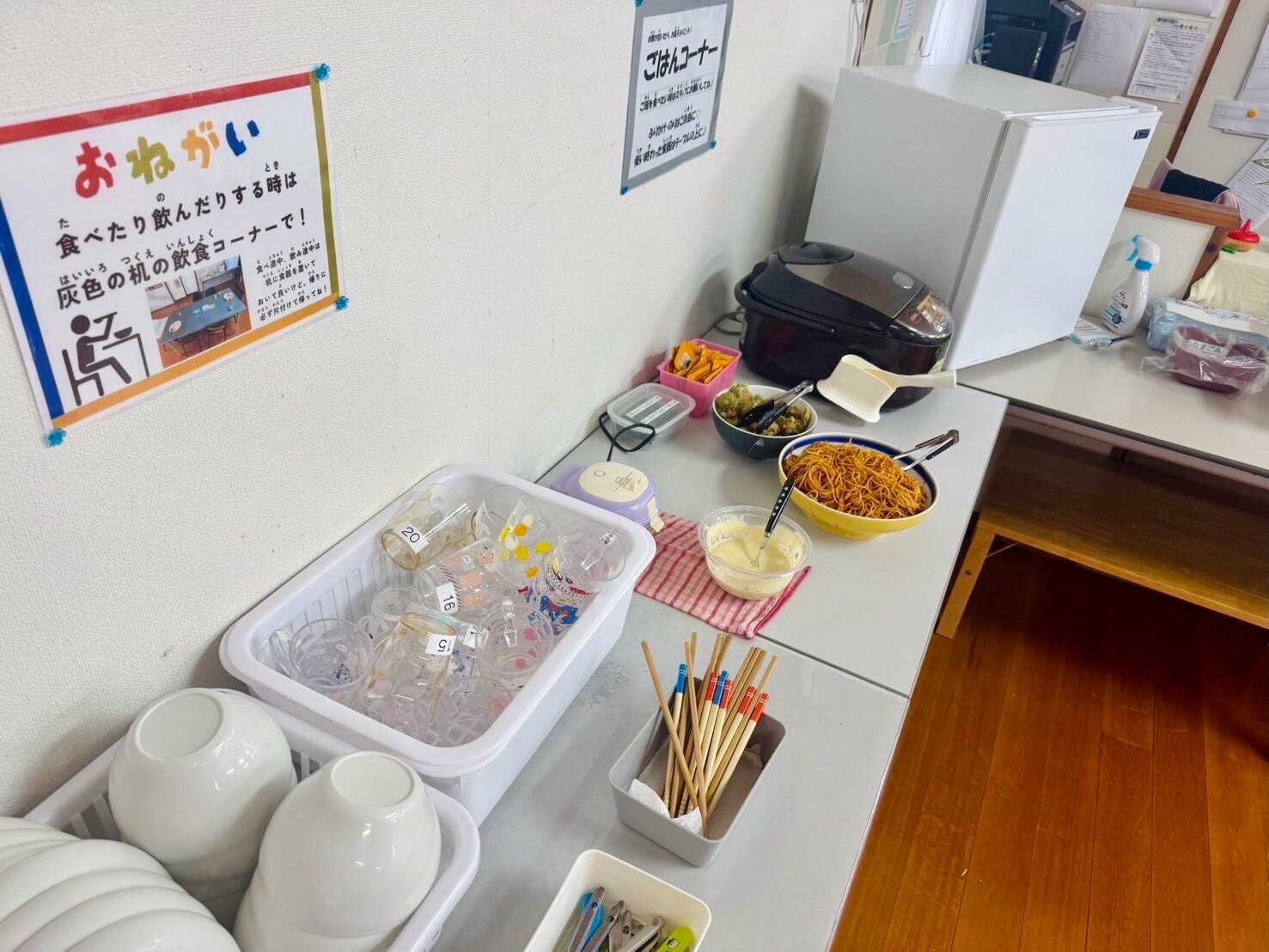
Through NPO Hidamari, she has been involved in children’s places and children’s cafeterias, creating spaces where local children can eat well, feel cared for, and relax. Since July, she has also helped start a food pantry project that shares donated food with families in need and, when enough support comes in, with other children’s cafeterias and local organizations.
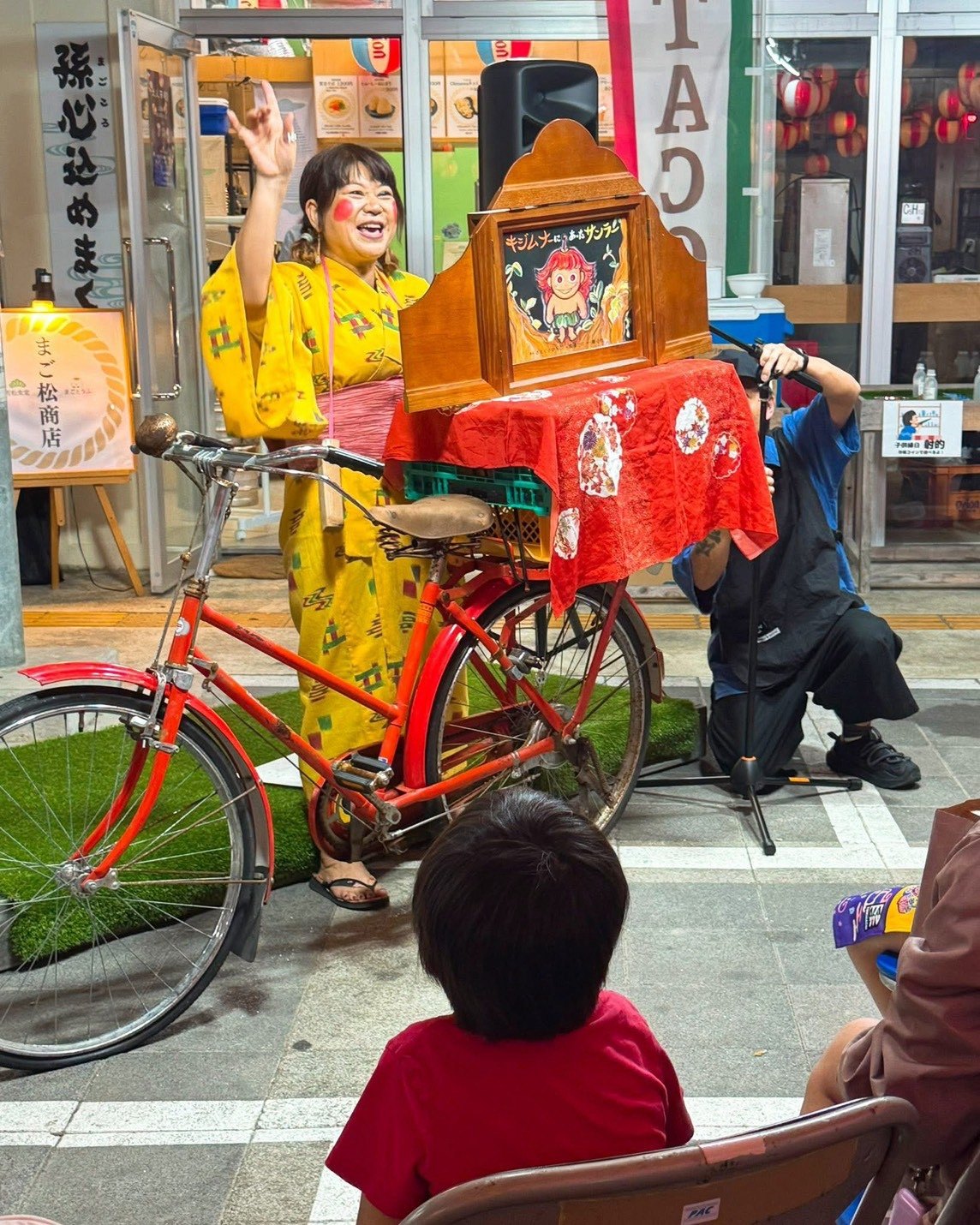
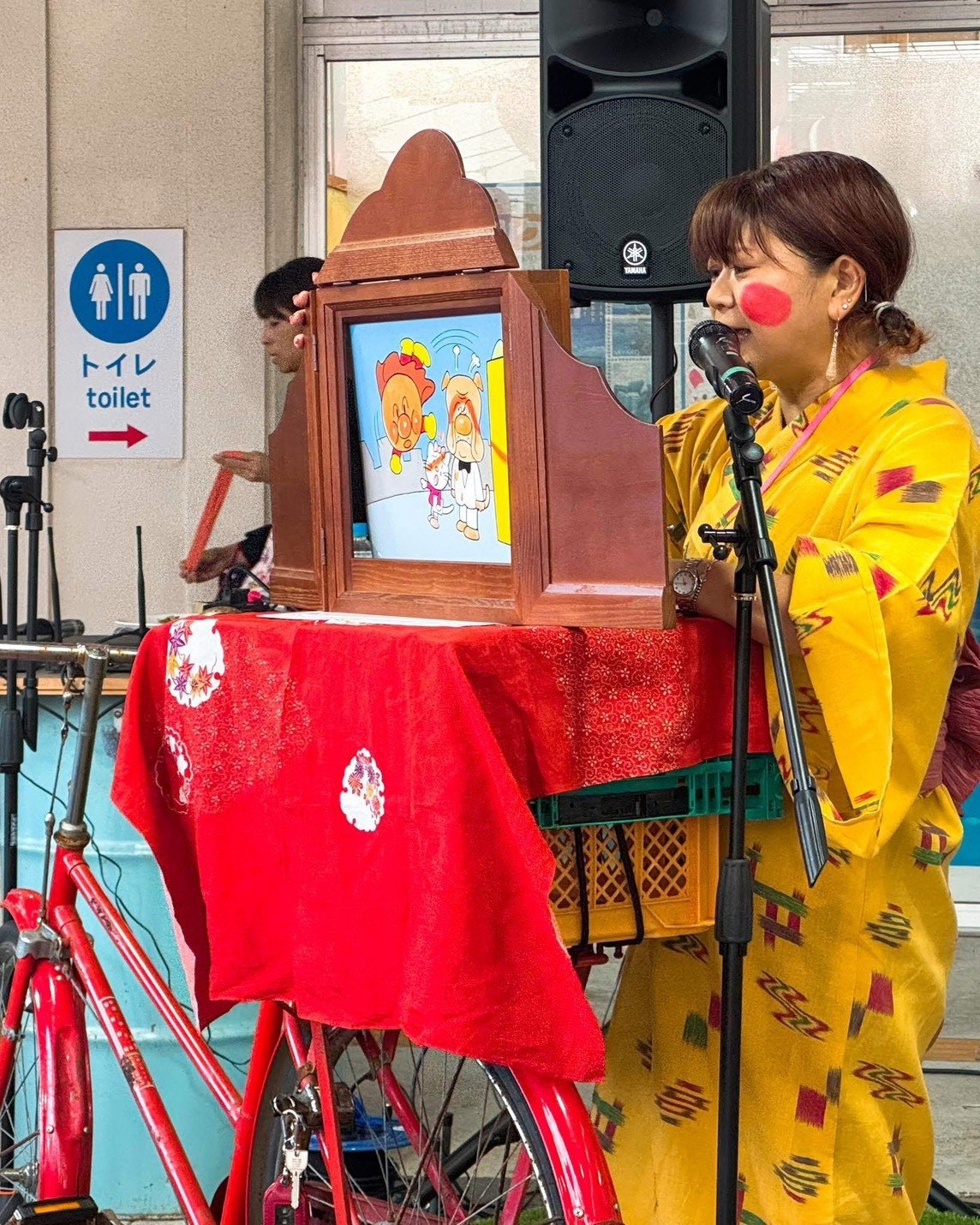
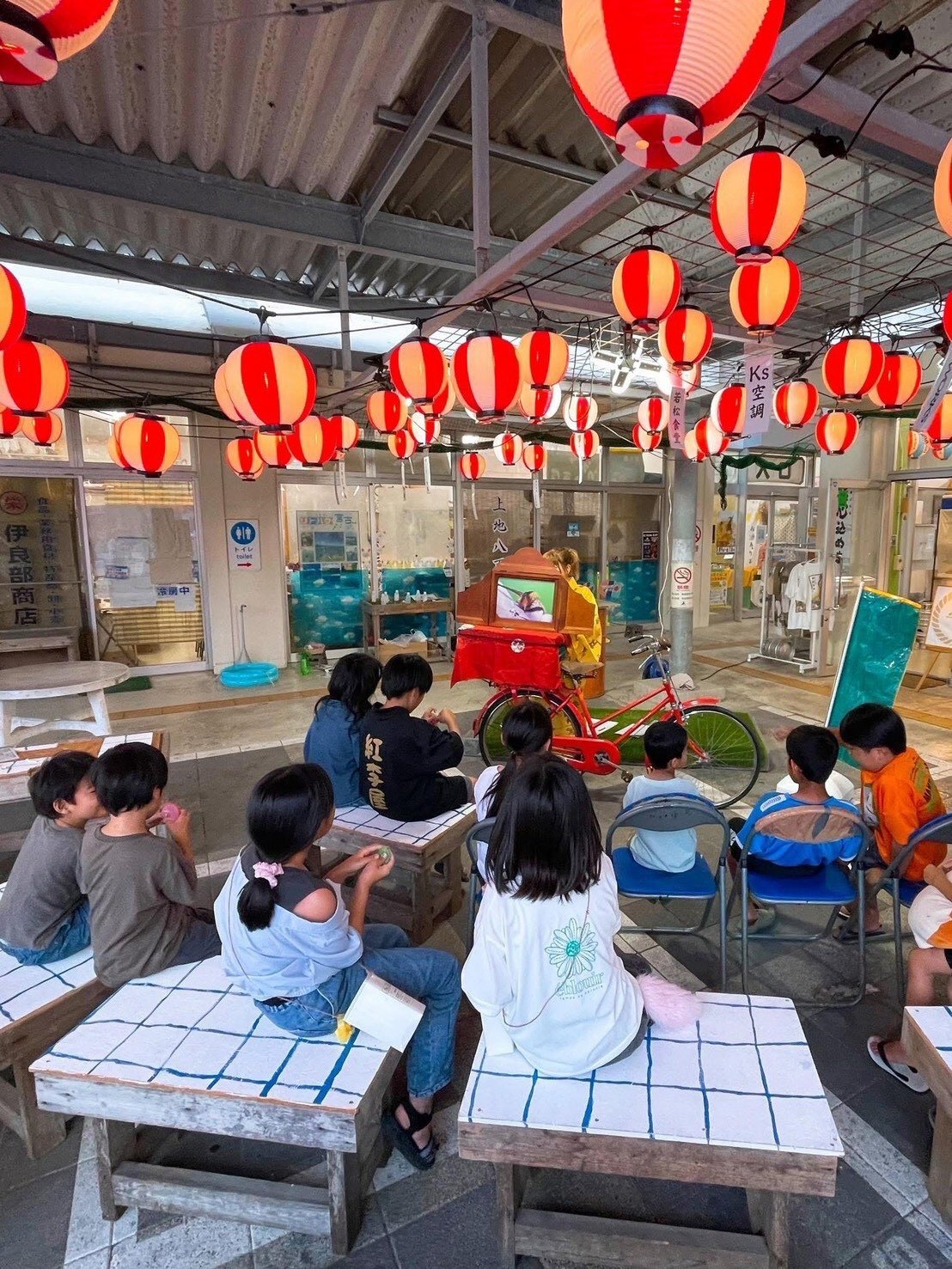
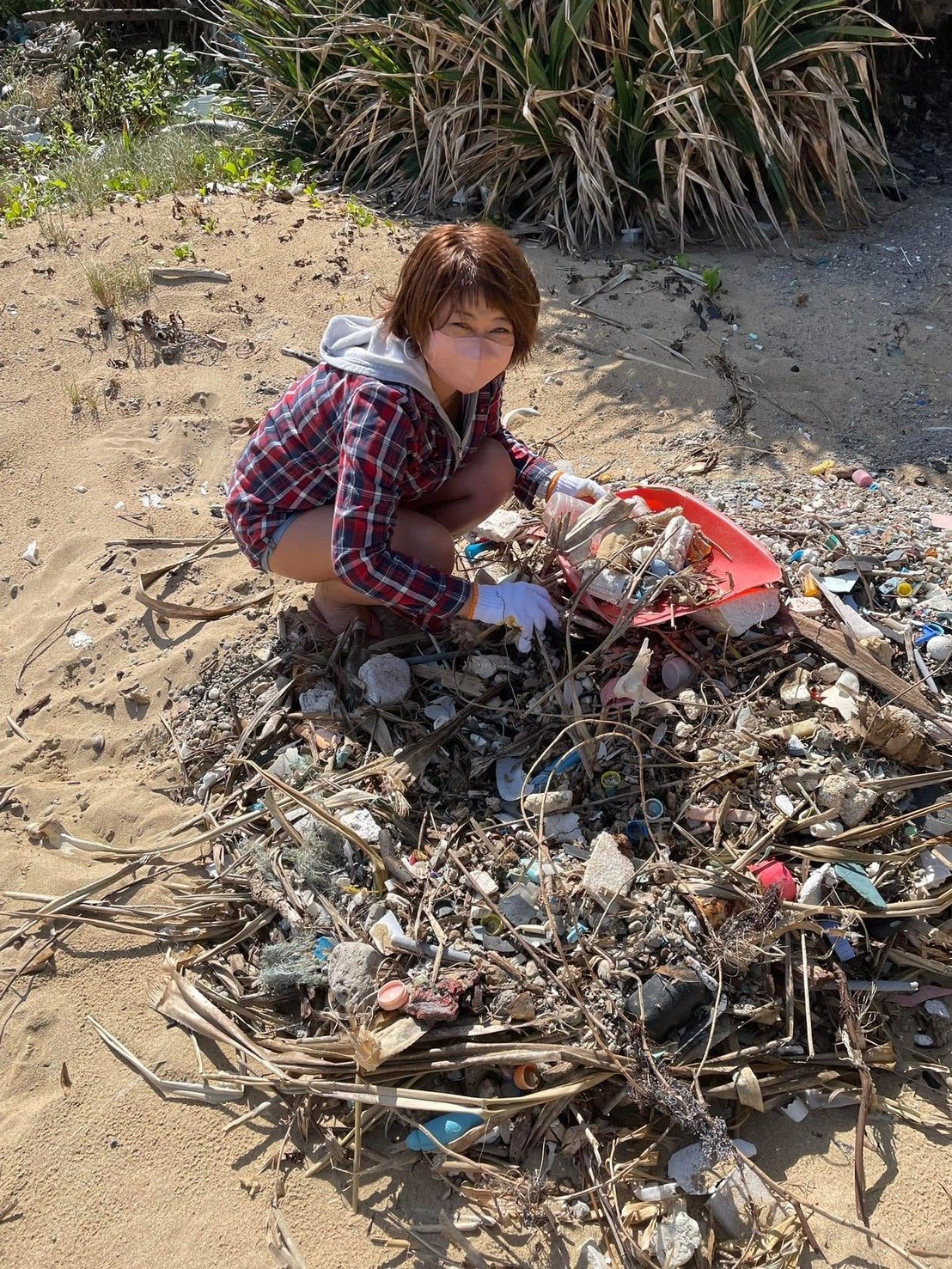
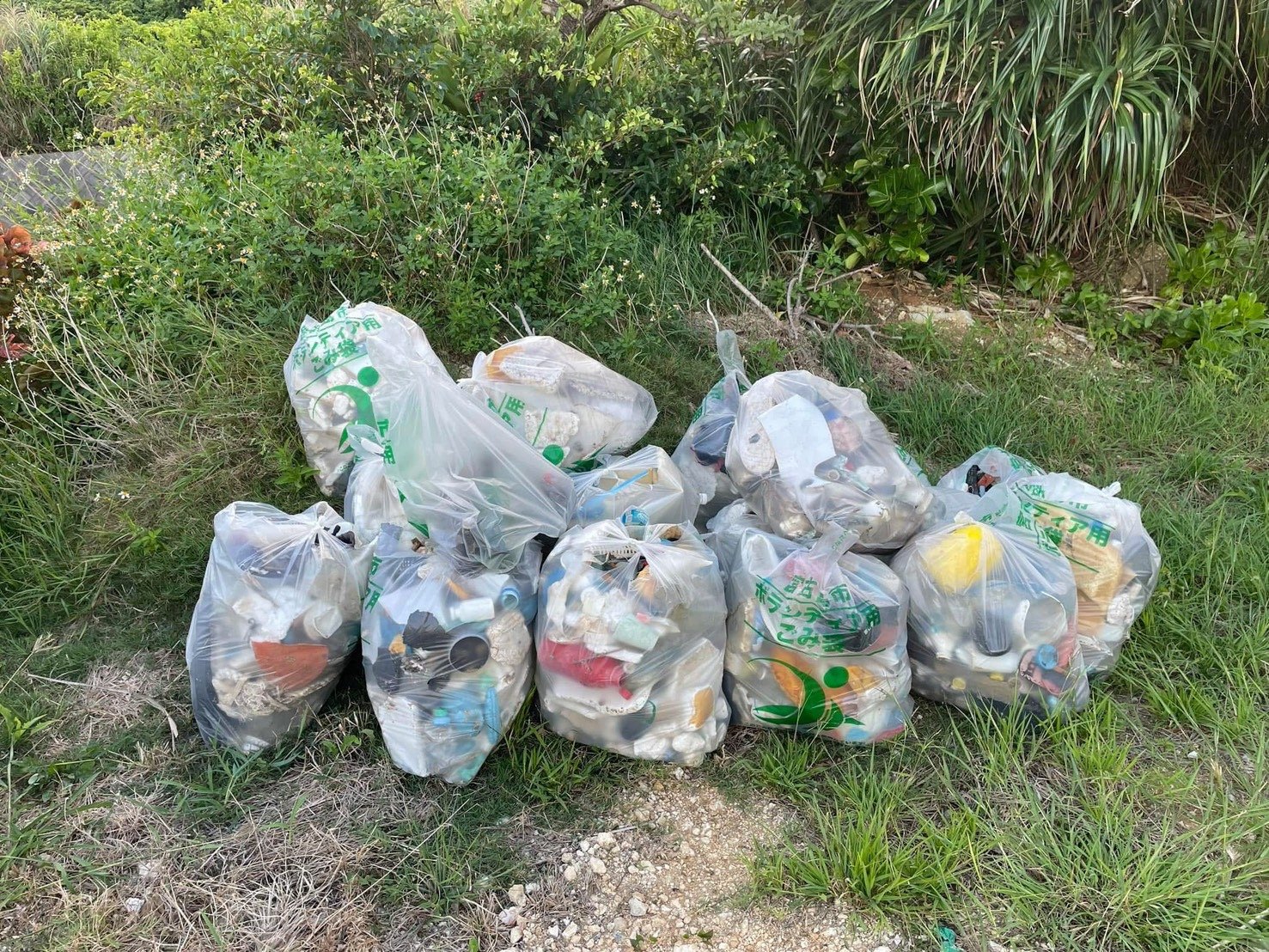
Outside of work, she reads kamishibai for children once a month at the public market, creating a free moment of learning and fun through themes like food education and the natural environment. She also joins beach cleanups as a small thank-you to the sea. Her story is gentle, but it carries something strong: when people move with care, Miyakojima becomes a place where more children, families, and visitors can feel held.